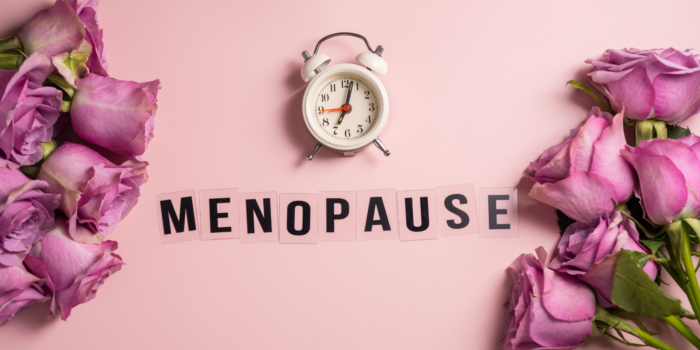
Hot flushes and Elinzanetant
February 5th, 2026Ladies, have you heard of the word vasomotor?
It’s responsible for the sometimes overwhelming surge of intense heat that sweeps through your body, causing sweating and flushing, often leaving you feeling pink cheeked and embarrassed. I’m talking about the dreaded hot flushes associated with perimenopause and menopause.
Vasomotor function refers to the way nerves and muscles act on blood vessels, helping regulate body temperature. Hot flushes or flashes, both terms mean the same thing, can leave women throwing the duvet off at night and lying in what feels like a puddle of sweat. There can also be awkward moments during the day: you’re mid-conversation when your face suddenly heats up so fast that all you want to do is escape and splash cold water all over it.
The change…
Perimenopause and menopause, often referred to simply as ‘the change’ are a natural part of ageing. They usually emerge in midlife and are marked by the absence of periods and a decline in hormone levels. Symptoms can include hot flushes, chills, brain fog, insomnia, joint pain, mood swings, weight gain, and vaginal dryness.
For many women, these symptoms can feel debilitating. They may reduce libido, trigger sadness, anxiety, or depression, and create a sense that life as you knew it is slipping away.
Thankfully, there are now more ways than ever to manage different aspects of the change, and new therapies for hot flushes are on the rise.
Elinzanetant: a new approach
Elinzanetant is the first of its kind.
Developed by Bayer, a global life-science company, elinzanetant (Lynkuet) is a non-hormonal oral medication designed to treat moderate to severe hot flushes. It is currently awaiting approval from the US Food and Drug Administration (FDA).
Unlike traditional hormone replacement therapy (HRT), elinzanetant does not replace oestrogen.
Instead, it works by modulating a group of oestrogen-sensitive neurons, known as KNDy neurons, located in the hypothalamus. This area of the brain plays a crucial role in regulating body temperature, hunger, mood, thirst, sex drive, blood pressure, and sleep.
During menopause, changes in oestrogen levels can disrupt the brain’s temperature control centre, triggering hot flushes. Elinzanetant helps stabilise this process by blocking specific neurokinin receptors involved in heat dysregulation, thereby reducing the frequency and severity of hot flushes without altering hormone levels.
A Bayer spokesperson explained, “Menopause is a transitional phase in women’s lives, related to the progressive decline of ovarian function. It usually occurs in women during their 40s or early 50s, but it can also result from surgical or medical treatment, such as breast cancer therapy.”
The development of menopause medications like elinzanetant are still awaiting full approval but this news offers hope to women who cannot, or choose not to, use HRT.
What can help with perimenopause and menopause symptoms?
- Talk to a doctor or healthcare professional about your symptoms. They may recommend HRT, which replaces declining oestrogen levels using patches, gels, sprays, implants, or tablets
If you still have a womb, progesterone is also needed to protect the womb lining. This can be delivered via tablets, patches, or an IUS (coil) - Share experiences with friends or family who are going through, or have been through, the same changes. Feeling understood can make a big difference
- Stay informed about new developments and research related to perimenopause and menopause
- Consider a menopause coach. A certified menopause coach can provide education, emotional support, and a tailored lifestyle plan focusing on nutrition, fitness, and stress management
- Exercise regularly, particularly weight-bearing activities. These help counteract bone density loss, preserve muscle mass, support weight management, reduce hot flushes, and improve mood
- Try relaxing practices such as yoga, tai chi, or meditation. These low-impact exercises can help ease both physical and emotional symptoms linked to hormonal changes
- Cognitive Behavioural Therapy (CBT) can be extremely beneficial. This goal-focused talking therapy helps manage emotions, anxiety, and negative thought patterns
- Some women explore herbal remedies, such as maca root, milk thistle, magnesium, ashwagandha, or sage leaf. Always check with a healthcare professional before combining supplements with medication.
- Acupuncture may help some people by stimulating the nervous system, encouraging hormonal balance, and releasing endorphins and serotonin, which can reduce hot flushes
- Avoid smoking and recreational drugs. Smoking can accelerate menopause by up to two years, reduce oestrogen levels, and worsen hot flushes and night sweats
- Reduce alcohol intake. Alcohol can trigger hot flushes, disrupt sleep, worsen anxiety, and contribute to weight gain
- Eat a balanced, nutrient-rich diet, including calcium-rich foods such as yoghurt and kale. Other supportive foods may include tofu, chicken, eggs, apples, pears, cucumber, celery, and lemon. Many women find sage tea, peppermint tea, green juices, and millet soothing
We also recommend Nature’s Marvels™ Ovary Bioregulator, an ovarian peptide designed to support ovarian function and hormonal balance.
References
https://yulife.com/blog/menopause-quotes/
https://www.labiotech.eu/in-depth/biotech-menopause-treatment/
https://www.nhs.uk/conditions/menopause/treatment/
https://www.mymenopausecentre.com/blog/the-best-foods-to-beat-hot-flushes-and-night-sweats/
https://www.nhs.uk/conditions/menopause/treatment/
https://pmc.ncbi.nlm.nih.gov/articles/PMC4874921/
https://www.balance-menopause.com/menopause-library/menopause-and-smoking-what-you-need-to-know/


Download the latest FREE AGING MATTERS MAGAZINE
V3 issue 42 2023
- Advertisement -