The ageing woman and infertility
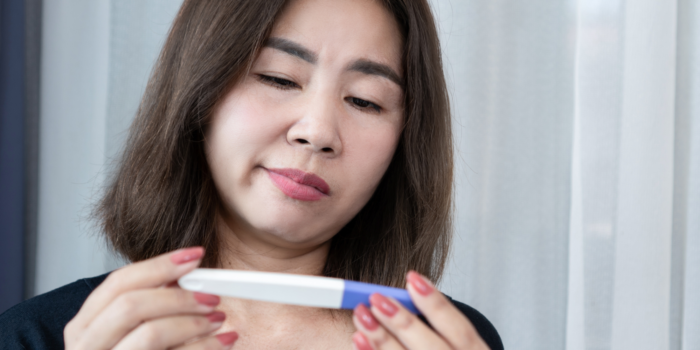
May 5th, 2026Human reproduction is a complex process that combines biology, timing and circumstance. Around 1 in 6 women will experience fertility issues. While many women wish to have children, factors such as age, infertility, health conditions, relationship status, and lifestyle choices can affect their ability to conceive.
Understanding the link between fertility and age is crucial, as age is one of the most significant factors influencing conception.
A baby girl developing in the womb has around 7 million immature eggs (oocytes) in her ovaries. From birth, this number begins to decline. By puberty, it falls to approximately 300,000–500,000, and by menopause, only around 1,000 remain. As the number and quality of eggs decrease over time, the chances of becoming pregnant also decline.
A woman’s fertility typically peaks in her 20s and begins to decline more noticeably after the age of 32.
Causes and risk factors.
Infertility affects millions of women. As women age, both egg quality and reproductive hormone levels decrease, contributing to fertility challenges. Age-related deterioration of eggs is a key factor; older eggs are more likely to develop chromosomal abnormalities, increasing the risk of conditions such as Down syndrome. Additionally, certain health conditions can further reduce fertility. These may be linked to accumulated DNA damage or reduced function of reproductive organs.
Common conditions that can make conception more difficult include:
- Endometriosis causes inflammation that distorts the pelvic anatomy with scar tissue, which can block the fallopian tubes
- Polycystic Ovary Syndrome (PCOS) disrupts ovulation and is the leading cause of anovulatory infertility
- Pelvic Inflammatory Disease (PID) – damages the reproductive organs, especially the fallopian tubes
- Uterine fibroids – distort the uterine cavity, hindering embryo implantation by blocking the fallopian tubes and reducing blood flow
- Hypothyroidism – an underactive thyroid can affect pregnancy, but it interferes with ovulation, causing irregular menstrual cycles
- Hyperthyroidism – disrupts hormone balance needed for reproduction, leading to irregular ovulation
- Irregular periods (where ovulation may not occur)
- Cancer – cancer can damage reproductive organs, hormones and tissue through chemotherapy, radiation or surgery
- Obesity
Male fertility factors and lifestyle choices can also affect the chances of pregnancy. Smoking, recreational drug use, excessive alcohol consumption, certain medications, and exposure to environmental toxins can all negatively impact fertility.
Beyond the physical aspects, infertility can also have notable emotional effects.
Difficulty conceiving can significantly affect mental health. Women may experience stress, anxiety, depression, low self-esteem, and feelings of inadequacy or disappointment. These challenges can also place strain on relationships. However, support and help are available.
What help is available?
A range of reproductive health services exists, including family planning and infertility care. Once infertility is diagnosed, several treatment options may be considered, including Assisted Reproductive Technologies (ART), such as:
- In vitro fertilisation (IVF)
- Egg freezing
Ongoing research continues to improve fertility treatments. Emerging approaches include stem cell and regenerative medicine, as well as the use of artificial intelligence (AI) to help select viable embryos, predict optimal timing, and personalise treatment plans.
New research developments.
Scientists at the Babraham Institute in Cambridge have successfully grown womb tissue to replicate aspects of the human uterine environment. This research enables scientists to investigate how embryos implant and develop during the earliest stages of pregnancy.
Using donated embryos from IVF treatments, researchers observed the interaction between the embryo and the womb lining, sometimes referred to as biological “communication.” This work aims to improve understanding of implantation, miscarriages, and early pregnancy complications, to increase IVF success rates.
You can read the full study here.
Support and resources.
If you or someone you know is experiencing fertility issues, it is important to seek medical advice. A healthcare provider, GP, or gynaecologist can offer guidance and refer patients to fertility specialists, counsellors, and support organisations.
Useful resources include:
Improving your chances of conception.
Several steps may help improve the chances of getting pregnant and having a healthy pregnancy:
- Take folic acid daily before conception and up to 12 weeks of pregnancy to reduce the risk of neural tube defects such as spina bifida
- Stop smoking, as it is linked to miscarriage, premature birth, low birth weight, and sudden infant death syndrome (SIDS)
- Avoid alcohol due to its potential long-term effects on fertility and pregnancy
- Maintain a healthy weight through a balanced diet and regular exercise
- Manage existing health conditions with medical guidance
- Discuss any medications with a healthcare provider to understand their impact on fertility
- Ensure vaccinations are appropriate and safe when planning pregnancy
- Stay informed about new fertility treatments and options
To help normalise the function of the ovaries, we recommend our product Nature’s Marvels Ovary Bioregulator. It is an amino acid complex that regulates the activity of the ovaries and how they produce estrogen and progesterone.
Further reading: Advice about trying for a baby and planning.
References
https://www.healthline.com/health/biological-clock-women#bottom-line
https://www.who.int/news-room/fact-sheets/detail/infertility
https://www.nhs.uk/pregnancy/trying-for-a-baby/planning-your-pregnancy/



Download the latest FREE AGING MATTERS MAGAZINE
V3 issue 42 2023

- Advertisement -