
The Ageing Brain
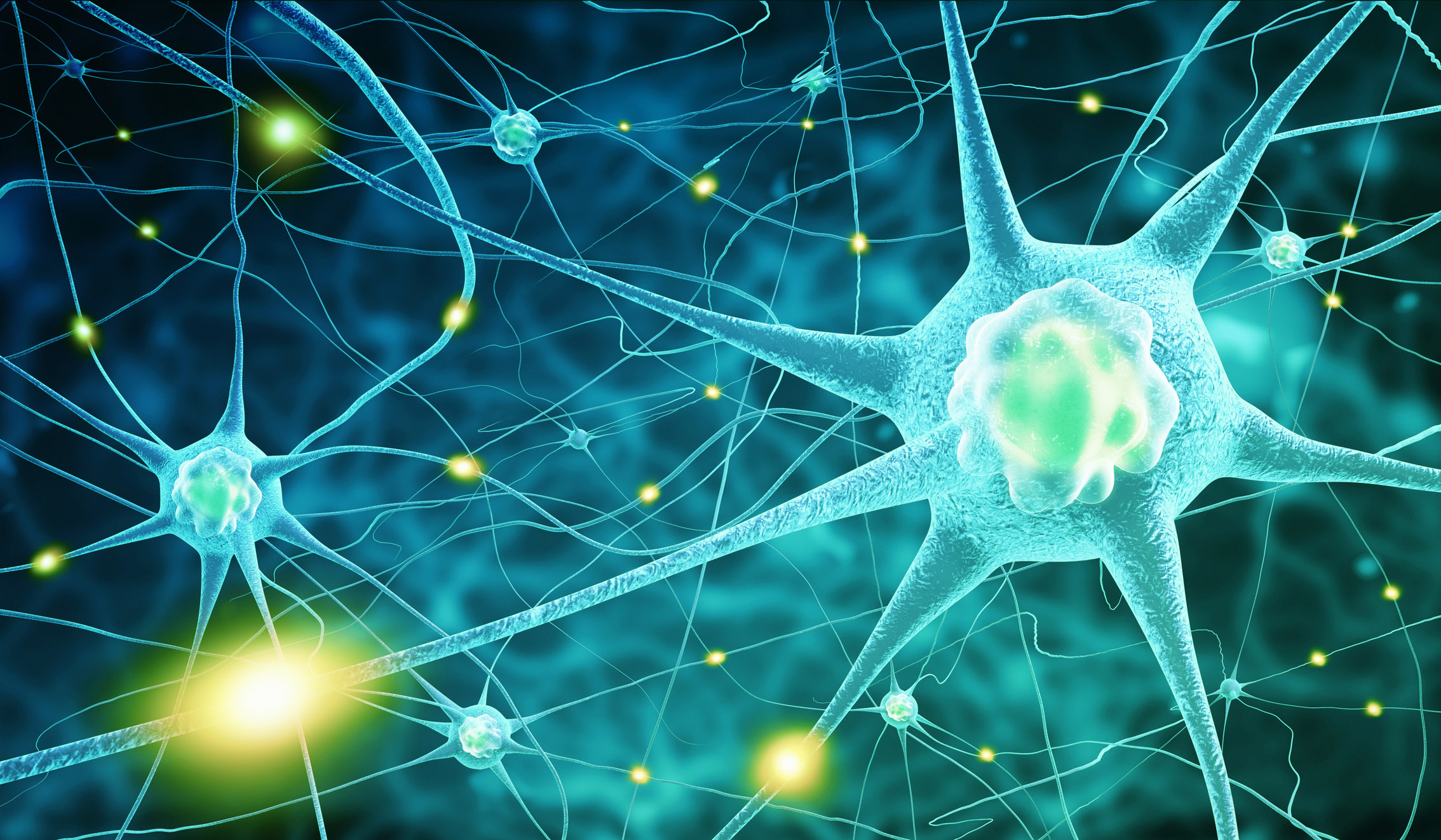
January 9th, 2026Let’s put our thinking caps on and delve deeper into the command centre of the body, the brain, more specifically, the ageing brain, how it grows, matures and declines.
The 5 phases of brain development.
Our brains change throughout our lifetime to support different ways of thinking at key turning points, normally at ages 9, 32, 66 and 83. Some people are born with or develop neurological disorders and their brains work in different ways which we will cover in another article.
The brain is continually fluctuating, strengthening, rewiring, and weakening through five different phases: childhood, adolescence, adulthood, early ageing, and late ageing.
We know so much and so little about the brain.
We know a great deal about the brain. It is responsible for our thought patterns, memory, emotions, movements, breathing, heart rate, controlling bodily functions and electrical signals in the brain. And yet we still don’t have a full understanding of consciousness, memory storage, information integration and emergent properties.
A study has revealed that a person is still going through adolescence in their 30s.
A recent study was conducted by neuroscientists at the MRC Cognition and Brain Sciences Unit at the University of Cambridge, UK.
3802 people up to the age of 95 were used in the study. Through MRI diffusion scanning, the researchers were able to map neural connections by tracking the movement of water molecules through the brain tissue. Interestingly, the results revealed that a person is still going through adolescence in their 30s, where they are at a greater risk of developing mental health issues. Read the full study here.
The innocence of children and their curious minds.
During childhood, the brain rapidly increases in size, and there is an abundance of connections between the brain cells, which are called synapses. The brain isn’t working so efficiently, so most young children tend to go all over the place, being distracted, instead of going A-B.
Adolescence – a time of some confusion and eventually some stability.
There is a huge shift in the brain as a person enters adolescence. It normally starts during the onset of puberty. The brain changes abruptly from age 9 onwards. Neurons in the brain get more efficient, resulting in profound changes which can continue for 2 decades.
Adulthood – a period of stability in the brain.
Changes in the brain are slower in adulthood; for some, it is a period of stability. At a time of maturity and efficiency, there’s a plateau of intelligence and personality before early ageing begins. The journey into early ageing can be a little daunting with an increased risk of developing age-related neurological conditions or diseases.
Early ageing and late ageing is when the brain begins to age more quickly and eventually flips into reverse.
The change isn’t as abrupt as the other stages. There is a shift in brain patterns and connections. The brain becomes more separated into regions, a simple way to explain that is, once a team player, but now going it alone.
By age 83, a person is less able to store data as their brain begins to shrink with decreased blood flow. They become slower at processing and learning, and memory can become a problem, with the risk of developing dementia.
We need to protect our brains, and there’s a lot to think about…
What can you do to maintain and protect your ageing brain?
- Protect your head!
I know it’s obvious, but it’s worth highlighting the importance of it. Keeping the body moving is essential, but we should always be observant and aware of our surroundings, regardless of our age. There will always be a risk of falling over and hitting your head, especially during activities such as skiing, going on a bike or riding a scooter and wearing a helmet whilst doing those things is a must. Sometimes a fall can’t be prevented or predicted, a quick slip on the ice or not lifting the foot high enough to mount a step – just try not to land headfirst!
- Keep moving!
Exercise increases blood flow to the brain, and it stimulates growth factors. Staying active can boost moods and regulate emotions. It can reduce stress hormones and improve memory and focus. Physical exercise can make the brain stronger, more resilient and help to fight inflammation, reducing the risk of age-related cognitive decline. A brisk walk in the fresh air, a visit to the gym or an exercise class. Try an active hobby such as dancing, tennis, jogging or swimming. Any form of movement that works your cardiovascular system and pumps blood all around the body
- Learn new skills
It’s never too late to learn a new skill – a different sport, a creative hobby, a musical instrument or another language. The evidence is clear that learning a new skill has a positive effect on the brain and body. It may be frustrating at times, a dropped stitch, a spelling mistake or a note out of tune, but the brain is still being stimulated. Learning a new skill is like a workout for the brain; it can reshape the brain and change how you see yourself in a good way. Embracing a new skill can reduce stress and create new brain connections, releasing dopamine, giving you a buzz or helping you to zone out
- Stay socially active and mentally challenged
Being sociable is good for your mental health and wellbeing. Mixing with people gives you mental stimulation that builds a cognitive reserve to protect against decline. Talking and engaging with people who make you feel good and stimulated, strengthens neural networks, helps with attention span and promotes overall wellbeing. Doing puzzles, reading, playing games and taking quizzes can help to keep the mind sharp and slow down cognitive decline
- Get plenty of sleep, rest and relax
Lack of sleep can make you irritable and impair memory, learning and problem-solving. We need a good amount of sleep for memory consolidation, to clear toxins, repair cells, boost cognitive function, regulate emotions, stay focused and function properly. We also need to make time for mindfulness, self-care and time to ourselves which can be tricky with the challenges of life but it’s important to make time
The recommended hours of sleep for people vary:
- 0-3 months = 14-17hrs
- 4-12 months = 12-16hrs
- 1-2 years = 11-14hrs
- 3-5 years = 10-13 hrs
- 6-12 years = 9-12 hrs
- 13-18 years = 8-10 hrs
- 18+ = 7-9 hrs
- Older adults = 7-8hrs
- Give up smoking and reduce alcohol consumption
Combining smoking and heavy drinking can accelerate brain ageing. According to ncbi.com, people who smoke and drink heavily experience 36% faster cognitive decline, losing an equivalent age effect of 2 years. Giving up smoking and moderating drinking helps reduce the risk of cognitive decline.
- Manage health conditions and medications
Conditions, illnesses and medication can accelerate brain ageing and impair cognitive function through inflammation, disruption of chemical messengers, blood vessel damage, and an accumulation of abnormal proteins.
It’s important to note any changes in how you feel when you take medication or if you adjust a dose. Talk to your health provider to see if a dose needs adjusting or if you are mixing medication that doesn’t suit you.
- Diet
Whilst no food can prevent dementia, a balanced and nutritious diet is very important for overall good health including brain health. What we consume has a big impact on our organs and blood.
An unhealthy diet can increase blood pressure, clog arteries and reduce blood flow to the brain.
For good brain health, you should try to eat a lot of unprocessed plant-based foods, high in fibre, low in saturated fats and salt.
Ideal foods include fish, fruit, vegetables, wholegrains, peas, beans, lentils, nuts, seeds, berries and leafy greens.
Olive oil or rapeseed oil are the healthier options for cooking, and herbs and spices to add flavour instead of lots of salt.
Experts recommend eating a Mediterranean diet for optimal nutrition. Find out more in this Eat Well guide.
We recommend the Nature’s Marvels® Cognitive Stack, the Cognitive Stack combines three potent Bioregulator complexes: Pineal, Brain/CNS and Blood Vessel.
References
https://www.nature.com/articles/s41467-025-65974-8
https://neuroscience.cam.ac.uk/scientists-identify-five-ages-of-the-human-brain-over-a-lifetime/
https://www.hopkinsmedicine.org/health/conditions-and-diseases/anatomy-of-the-brain
https://www.alzheimersresearchuk.org/news/what-should-we-eat-for-a-healthy-brain/
https://pmc.ncbi.nlm.nih.gov/articles/PMC3730115/
https://www.nia.nih.gov/sites/default/files/d7/MedAgeBrain-FactSheet.pdf


Download the latest FREE AGING MATTERS MAGAZINE
V3 issue 42 2023
- Advertisement -