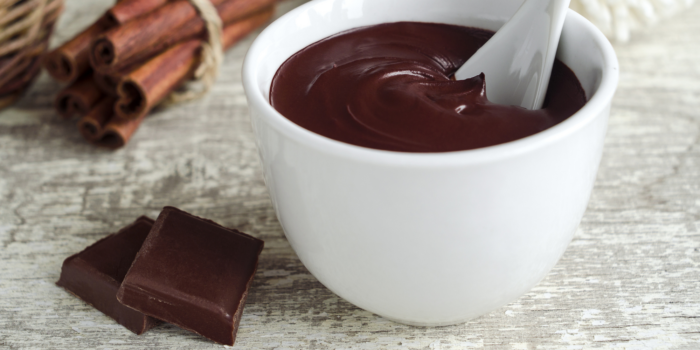
Dark chocolate – the anti-ageing confectionery treat
March 10th, 2026Ask the Easter Bunny for dark chocolate this year – specifically high-quality chocolate with 70-85% cocoa content. Research has revealed that small daily portions may help promote healthier ageing. Remember: just a few cubes each day, not a whole bar!
The anti-ageing confectionery treat.
Dark chocolate is a tasty indulgence, enjoyed in small squares or chopped and sprinkled over berries and creamy Greek yoghurt. This slightly bitter treat is derived from the cocoa plant and contains several beneficial compounds and chemical elements.
It’s the dark horse on the supermarket shelves.
Dark chocolate contains flavanols and polyphenols, which may help lower blood pressure, support heart health, and maintain cognitive function. These antioxidants neutralise free radicals, the unstable molecules that accelerate ageing.
Antioxidants help protect skin cells from oxidative damage, support healthy tissue ageing, and reduce inflammation in the body. Cocoa flavanols may improve skin circulation and hydration, encouraging skin thickness and elasticity. They may also provide mild protection against UVA damage.
Those delicious little dark chocolate chips also contain magnesium, which may help with relaxation and mood stabilisation. The chocolate truly is a dark horse on the supermarket shelves, hidden among hundreds of tempting confectionery treats – so consider adding it to your trolley next time you go shopping.
The recommended daily portion of dark chocolate is 20–30 g, approximately one to two chunks per day.
The wonders of theobromine.
Researchers are particularly interested in theobromine, a plant compound found in dark chocolate that may have anti-ageing properties. Theobromine is a mild stimulant that can increase serotonin and endorphin production in the brain.
Recent research suggests that theobromine may also help slow biological ageing by influencing DNA methylation and telomere length. Findings indicate that people with higher theobromine levels may have a younger biological age.
In a recent European cohort study, researchers compared theobromine levels in 1,669 participants with blood-based markers of biological ageing. The study included participants from TwinsUK and the KORA Study.
Researchers conducted two tests to estimate participants’ biological ages. Biological age refers to the condition and functioning of the body rather than the number of years a person has lived.
The first test examined chemical changes in DNA to estimate how quickly someone was ageing. The second measured the length of telomeres, the protective caps at the ends of chromosomes. Shorter telomeres are associated with ageing.
After analysing the data, researchers found that individuals with higher levels of theobromine in their blood were more likely to have a biological age younger than their chronological age.
Professional Opinions.
Dr Ramy Saad, lead researcher at King’s College London, said:
“This is a very exciting finding, and the next important questions are what is behind this association and how we can further explore the interactions between dietary metabolites and our epigenome.”
Dr Saad added:
“This approach could lead to important discoveries about ageing and many common and rare diseases.”
Professor Jordana Bell, senior author of the paper and Professor of Epigenomics at the college, said:
“Our study finds links between a key component of dark chocolate and staying younger for longer. While we’re not saying that people should eat more dark chocolate, this research helps us understand how everyday foods may hold clues to healthier, longer lives.”
Dr Ricardo Costeira, a Postdoctoral Research Associate at the college, said:
“This study identifies another molecular mechanism through which naturally occurring compounds in cocoa may support health. While more research is needed, the findings highlight the value of population-level analyses in ageing and genetics.”
Read the full study here.
More about chocolate.
Chocolate is made from beans found in the fruit of the cacao tree. The cocoa beans are fermented, dried, roasted, and ground into small crunchy pieces called cocoa nibs, which are then processed into a paste known as chocolate liquor.
This paste is mixed with sugar and additional cocoa butter. The mixture is then refined, conched, and tempered to create the smooth texture associated with chocolate. With some additional ingredients, the result is a wide spectrum of chocolate varieties with different flavours and colours.
What is the difference between dark, milk, and white chocolate?
Dark chocolate contains 35–90% cocoa solids, cocoa butter, and sugar.
Milk chocolate contains less cocoa solids (typically below 35%), along with cocoa butter, sugar, and milk.
White chocolate does not contain cocoa solids; it is made from cocoa butter, sugar, and milk powder.
You can be Charlie Bucket too…
It’s not just Charlie Bucket from Charlie and the Chocolate Factory who gets to tour a magical chocolate factory – you can too. A visit to Cadbury World in the UK offers an immersive chocolate-themed experience, with interactive zones, demonstrations, and plenty of opportunities to taste chocolate.
References
https://www.choc-affair.com/news/the-difference-between-milk-white-dark-chocolate/
https://www.pushdoctor.co.uk/nutrition-advice/is-milk-chocolate-good-for-you
https://www.foodandwine.com/theobromine-in-dark-chocolate-linked-to-slower-aging-11887830
https://www.kcl.ac.uk/news/key-chemical-in-dark-chocolate-may-slow-down-ageing
https://www.medindia.net/nutrition-data/nutrients/theobromine-rich-foods.htm
https://www.bhf.org.uk/informationsupport/heart-matters-magazine/nutrition/ask-the-expert/dark-chocolate
https://www.health.harvard.edu/blog/your-brain-on-chocolate-2017081612179
https://www.webmd.com/hypertension-high-blood-pressure/ss/slideshow-hypertension-low-bp-foods





Download the latest FREE AGING MATTERS MAGAZINE
V3 issue 42 2023

- Advertisement -