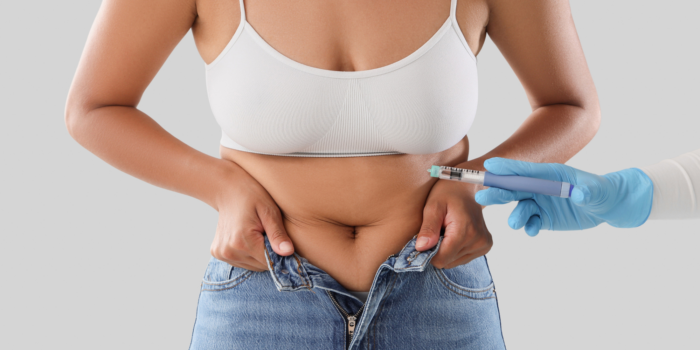
How weight loss injections affect your muscle mass
April 16th, 2026Non-prescribed weight loss injections may help you achieve your dream body, but they can come at a high cost – both financially and physically. We’ve seen it in the headlines: brands such as Mounjaro and Wegovy can come with side effects, including up to a 40% loss of muscle mass due to rapid weight loss, as muscle proteins are broken down faster than they can be rebuilt.
Are people gambling with their health when they use weight loss injections for cosmetic reasons?
Doctors and healthcare providers prescribe weight loss injections to treat obesity and help manage weight-related conditions. Before prescribing these approved medications, they carry out assessments, confirm the diagnosis, and discuss potential side effects. They also monitor the treatment’s effectiveness and typically limit its use to a couple of years. During this time, patients are regularly checked for possible complications, including gastrointestinal issues, severe dehydration, kidney damage, pancreatitis, nutrient deficiencies, and the development of gallbladder disease.
People using these injections outside their intended medical purpose, purely for cosmetic reasons, may be putting their health at risk if they have not fully understood the potential side effects or received proper supervision and guidance on dosing and lifestyle changes. Experts do not yet know the long-term effects of these drugs on individuals who take them solely for appearance-related reasons, without medical advice, or who use inconsistent dosing or cycle on and off them.
Using weight loss injections can affect your mental health.
Unmonitored use can pose both mental and physical risks, potentially becoming a significant commitment and even leading to dependency. There are also concerns about misuse and safety, as well as psychological risks if individuals believe that losing weight will make them happier, more attractive, more accepted, or more loved, or help them impress others – expectations that are rarely realistic.
Why do weight loss injections cause muscle loss?
Weight loss injections are GLP-1 agonists, meaning they mimic hormones the body releases after eating. They suppress appetite, slow digestion and metabolic rate, and reduce feelings of hunger. This can lead to a significant calorie deficit and inadequate protein intake, as appetite decreases, causing the body to break down muscle tissue for energy. Excessive muscle loss (sarcopenia) can result in reduced strength, an increased risk of injury, and accelerated ageing.
How does it cause muscle loss?
Weight gain typically occurs when more calories are consumed than the body burns. Calories provide energy from food, and when the body does not receive enough to meet its needs, it begins to draw on stored energy from lean body mass, including muscle. When using medications such as Mounjaro and Wegovy, this process can occur more rapidly due to the rapid weight loss. As a result, these injections may lead to greater muscle loss compared to other weight loss treatments.
Should you stop using weight loss injections for cosmetic reasons, even if they make you feel good about yourself?
Not necessarily. Preventative measures can be taken to reduce the risk of sarcopenia.
- Educate yourself about weight loss injections
- Seek medical advice to ensure safe use
- Make sustainable lifestyle changes
- Include regular resistance training in your weekly exercise routine
- Increase protein intake
- Monitor changes in your strength and overall physical condition
However, there are additional considerations. Many people exercise primarily to improve their appearance, but problems can arise if someone achieves their desired look and then loses motivation to maintain physical activity. Once that routine stops, the risk of muscle loss and declining fitness increases.
This is something often observed in everyday life. People successfully using weight loss injectables may appear slim in clothing, but on closer inspection, there can be signs of muscle loss and sagging skin. Skin removal surgery is an option, but that also comes with a cost and risk factors.
This approach to losing weight shouldn’t be a standalone solution to weight issues because when the injections are discontinued, appetite typically returns. Without a consistent and disciplined lifestyle, weight regain is common.
It’s likely that you know someone who has tried or is on some kind of slimming drugs or injectables. You might have looked at them with admiration and been tempted to go down that avenue as well, but with cost and the unknown future ramifications, alternative weight-loss methods might be more suitable for you. There are a variety of options to help you achieve your goal.
- Lifestyle and behavioural approaches
Eating a balanced, high-protein, calorie-controlled diet. Regular exercise, especially resistance training, helps preserve muscle. Habit-changing strategies are a good idea, where coaching or therapy might be beneficial for emotional eating
- Weight loss drugs – non-injectables
Orlistat reduces fat absorption, and Naltrexone and bupropion affect appetite and cravings
- Structured weight-loss programmes
Receiving guidance from health care providers, clinics, dieticians, alternative therapies and coaches. Using apps, digital programs, and non-drug medical devices
- Surgery
Currently, weight loss operations include a sleeve gastrectomy or gastric bypass
- Diet strategies
Most popular options are intermittent fasting, low-carb/keto diet or Mediterranean diet
References
https://www.bbc.co.uk/news/articles/c0qp3q5q708o
https://www.semapen.co.uk/mounjaro-wegovy-and-muscle-loss-why-it-occurs-and-how-to-stop-it


Download the latest FREE AGING MATTERS MAGAZINE
V3 issue 42 2023
- Advertisement -