Alcohol and gut health
March 18th, 2026About half the world’s population over the age of 15 drinks alcohol. Some drink when socialising and celebrating, while others drink for stress relief or relaxation. But is it worth consuming a chemical irritant that can harm the gut lining and increase the risk of alcohol-related diseases?
Think before you say yes to a top-up or buy the next round.
Some people drink alcohol to boost their mood, fit in socially, lower inhibitions, or simply out of habit or dependence. However, overindulgence carries risks. Excess alcohol impairs judgment, slows brain response, and makes activities such as driving dangerous or deadly. Alcohol can also harm gut health, causing discomfort and serious damage. So it may be worth reconsidering before accepting another drink or buying another round.
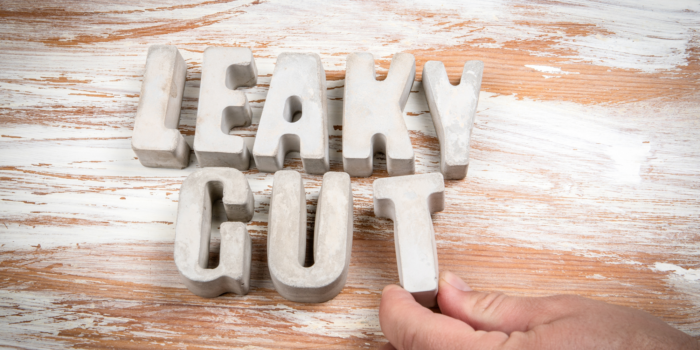
Alcohol and a leaky gut.
Have you experienced nausea, heartburn, bloating, gas, cramping, gastritis, or other uncomfortable stomach problems after overindulging in alcohol? If so, you may be experiencing a leaky gut, otherwise known as increased intestinal permeability.
This condition does not just affect regular drinkers; it can also occur in binge drinkers, according to findings published in Alcohol: Clinical and Experimental Research.
Researchers at Harvard and Beth Israel Deaconess Medical Centre have identified how binge drinking damages the gut. A study shows that when a woman drinks more than four alcoholic drinks within two hours, or a man drinks five, alcohol can weaken the gut lining.
What does alcohol do to the stomach?
Alcohol increases stomach acid and damages the mucus layer that protects the stomach lining, leading to inflammation. As an irritant, it also weakens the tight junctions between the cells in the intestinal wall.
This allows toxins and bacterial fragments to enter the bloodstream, triggering immune responses that cause inflammation and place additional stress on the liver.
The gut contains trillions of microbes that support digestion, immunity, and metabolism. Alcohol can disrupt this balance – a condition known as dysbiosis. Beneficial bacteria decrease while harmful bacteria increase, reducing microbial diversity and affecting important bodily processes.
The corresponding author of the latest findings, Gyongyi Szabo, Professor of Medicine at Harvard Medical School and Chief Academic Officer at BIDMC and Beth Israel Lahey Health, said:
“We know that excessive drinking can disrupt the gut and expose the liver to harmful bacterial products, but surprisingly little was known about how the upper intestine responds in the earliest stages.”
She added:
“Our study shows that even short bouts of binge drinking can trigger inflammation and weaken the gut barrier, highlighting a potential early step in alcohol-related gut and liver injury.”
Find out more about alcohol and gut health here.
Getting a balance in life.
Many things in life carry risks. If enjoying a glass of wine at the end of the day helps you relax, that is your personal choice. There is no judgment here – only information that may help you make better decisions for a healthier and longer life.
If you fancy a tipple, some alcoholic beverages are considered more gut-friendly. Red wine contains polyphenols – antioxidants that may help support a healthier balance of gut bacteria. Dry white wine may offer similar benefits, and one glass per day is often considered moderate consumption.
When it comes to spirits, options such as vodka, gin, or tequila contain little to no sugar compared with many mixed drinks or sweetened alcoholic beverages.
Experts say that men and women should not drink more than 14 units of alcohol per week. As a rough guide:
- A shot of spirits: 1 unit
- An alcopop: 1.3 units
- A small glass of wine: 1.5 units
- A large glass of wine: 3 units
- A bottle of beer: 1.7 units
- A can of beer: 2.4 units
With that in mind, if you are pouring yourself a drink right now – cheers! But it is worth remembering that alcohol consumption affects not only your health, but if abused, can also affect the safety of you and others. Excessive amounts heighten emotions and could lead you to say things you might regret. Sending text messages you wish you hadn’t or ordering things online that you really didn’t need:).
What can you do if you have overindulged in alcohol?
After drinking excessive alcohol, irritation and acid levels in the stomach typically begin to balance within 6 – 12 hours. Gut function may return to normal within 24 hours, although it can take 2 – 3 days for intestinal permeability (“leaky gut”) to fully recover.
If you have drunk too much alcohol, prioritise rehydration. Drink plenty of water, electrolytes, or coconut water.
Try to eat a bland, easy-to-digest diet including foods such as crackers, toast, yoghurt, or bananas. Avoid acidic, spicy, or fatty foods while your stomach settles.
Herbal teas such as ginger or peppermint may also help soothe digestive discomfort.
To help improve stomach performance by supporting normal digestive function, we recommend our product, Nature’s Marvels Stomach Bioregulator.
Non-alcoholic alternatives.
Living alcohol-free can reduce the risk of developing one or more of the 200 known alcohol-related diseases and the 31 recognised related health conditions.
Alcohol affects not only oral and gut health but can also harm the entire digestive system and other vital organs.
The good news is that it is possible to enjoy a social drink without alcohol, but still enjoy the flavour of your favourite alcoholic drinks. Non-alcoholic beverages are becoming increasingly popular and widely available. Botanically distilled spirits may include hemp-derived ingredients such as CBD or THC. There are also alcohol-free wines, craft beers, mocktails, and other creative alternatives. Some drinks are produced by removing alcohol after fermentation, while others are created entirely alcohol-free from the beginning.
Prioritise your health over binge drinking, which will probably give you a hangover for two days.
Important advice: Be knowledgeable about drinking alcohol and driving – the laws and guidelines. Just because you get a good night’s sleep after a heavy drinking session doesn’t mean you are safe to drive. Take a look at the drunk driving laws by country.
References
https://www.somegoodcleanfun.com/blog/non-alcoholic-drinks-that-give-you-a-buzz
https://ourworldindata.org/alcohol-consumption
https://www.somegoodcleanfun.com/blog/non-alcoholic-drinks-that-give-you-a-buzz



Download the latest FREE AGING MATTERS MAGAZINE
V3 issue 42 2023
- Advertisement -