Mitochondrial transportation to fight disease and slow down the signs of ageing
November 3rd, 2025Stem cell therapy is a well-established approach to repair damaged tissue and restore function. However, clinical trials indicate that mitochondrial transportation could offer significant advantages over traditional stem cell methods in treating age related problems and diseases , with fewer risks and limitations. This experimental approach could represent a groundbreaking advance in anti-ageing science.
Cell damage leads to the failure of essential organs.
Cell damage is the reason that we age and die. During the ageing process, when cells die, they become senescent, permanently stopping cell division and remaining in the body, which causes inflammatory problems resulting in damage and destruction. The destructive process leads to a malfunction, not only the death of cells, but also the deterioration of tissues and organs.
Stem cell therapy, risks, and long-term complications.
A stem cell is a body’s raw material crucial for growth, repair, and maintenance. It is a type of cell with anti-inflammatory and immune regulatory properties, which help reduce chronic inflammation. Stem cell therapy involves replacing damaged or distressed cells with healthy ones, a procedure that comes with some immediate risks like infections, nausea, fatigue, and long-term complications, including graft-versus-host disease (GvHD), organ damage, and infertility.
Stem cell therapy and mitochondrial transplantation.
Stem cell therapy and the related mitochondrial transplantation are very active areas of research with numerous clinical trials. Scientists are pioneering mitochondrial transportation as a potentially superior alternative to stem cell therapy. This approach aims to reverse ageing effects, improve cell survival, and extend lifespan using cellular enhancements, marking a significant development in the pursuit of anti-ageing solutions.
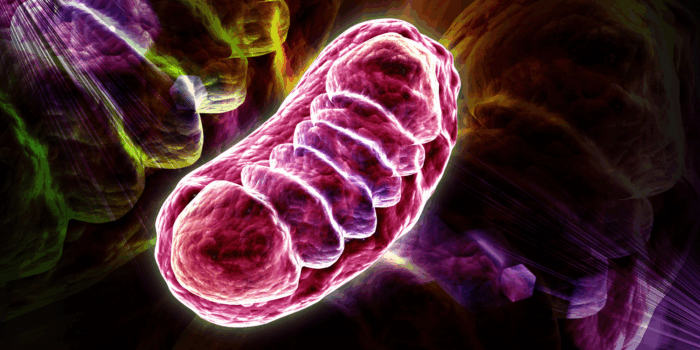
Mitochondria are tiny organelles found inside a stem cell, they are the power house of cells boosting energy levels and supporting mental health. They play a vital role in many things, such as, cell signalling, viral sensing, cellular calcium homeostasis, iron handling, haemoglobin, and lipid synthesis. They are a subcellular structure that has specific jobs to perform in a cell, and are the energy behind cellular activity. Mitochondria transportation (augmentation) is not a common practice; it’s highly experimental. The procedure involves isolating mitochondria and delivering them into cells or tissues that are damaged.
The trials and challenges of mitochondrial transportation.
Clinical trials have revealed some major challenges, such as delivery methods. How to ensure the transported mitochondria are delivered to specific target areas. The short lifespan of mitochondria outside of the body, a risk of immune response, long-term effects, and the ethical and regulatory landscape. However, it’s looking like a promising option in the future and already, the concept has been used in unique circumstances.
The process of mitochondrial transportation involves isolating the mitochondria from a healthy source, preferably, from the person needing the treatment, to minimize rejection. The mitochondria need to be assessed to ensure they are viable and functional for transplantation. During the procedure, mitochondria is injected into the damaged area of tissue using a fine needle and syringe to target delivery. Alternatively, it can be done via an infusion. Afterward, a patient waits to see if the cells will take up the new mitochondria to help restore function. At the moment, clinical trials are being used for things such as:
- Cardiogenic shock – a life-threatening condition that happens when the heart can’t pump enough blood to meet the body’s needs. It causes low blood pressure when the oxygen supply to vital organs is inadequate
- Acute ischemic stroke – a medical emergency caused by a sudden blockage in the arteries, which cuts off blood flow to parts of the brain, leading to brain cell death
- Ischemia-reperfusion injury – damage is caused to tissues and organs when blood flow is restored after a blockage. The sudden reoxygenation triggers a harmful response
- Genetic mitochondrial disorders – when a group of diseases caused by a mutation in DNA disrupts the function of mitochondria. It affects the brain, muscles, heart, and kidneys
There are symptoms that you can look for to identify if your mitochondria aren’t performing properly such as chronic fatigue, endocrine disorders, gastrointestinal issues, muscle weakness and neurological problems – brain fog, memory issues, headaches and seizures. Symptoms that can be associated with multiple illnesses and disease which makes it almost impossible to self-diagnose.
There are things you can do to support mitochondrial health.
- Support your gut microbiome by incorporating probiotics and prebiotics into your diet
- Exercise because physical activity stimulates mitochondrial biogenesis which is the process where new mitochondria are formed
- Detoxification – avoiding plastic containers and processed food. Drink filtered water, use natural cleaning products and consider a detox program
- Sleep and stress management. We need adequate sleep, preferably 7-8 hours a night, and, reduce chronic stress which negatively impacts mitochondrial function
- Intermittent fasting. Intermittent fasting has numerous benefits. It boosts insulin sensitivity, enhances mitochondrial biogenesis and improves metabolic flexibility. The eating regime increases the production of key molecules, promotes autophagy, reduces inflammation and oxidative stress
- Diet and nutrition. Eat a diet high in antioxidants, B vitamins, CoQ10 and magnesium
We recommend our product EnergyPro, a natural food supplement that boosts mitochondrial production of ATP. It is a physical energy enhancer.
References
https://www.sciencedirect.com/science/article/abs/pii/S0006291X24017509
https://pmc.ncbi.nlm.nih.gov/articles/PMC10600463/
https://www.nature.com/articles/s42255-024-01200-x
https://pmc.ncbi.nlm.nih.gov/articles/PMC10917551/
https://pmc.ncbi.nlm.nih.gov/articles/PMC11372738/
https://www.startstemcells.com/reverse-the-signs-of-aging-with-stem-cell-therapy.htm
https://my.clevelandclinic.org/health/diseases/15612-mitochondrial-diseases
https://pmc.ncbi.nlm.nih.gov/articles/PMC12163251/
https://pmc.ncbi.nlm.nih.gov/articles/PMC10547968/
https://pmc.ncbi.nlm.nih.gov/articles/PMC12093763/




Download the latest FREE AGING MATTERS MAGAZINE
V3 issue 42 2023

- Advertisement -