
The hormone leptin and midlife weight gain
December 17th, 2025It’s not too late to contact Father Christmas; some hand weights or a gym membership need to be on your Christmas list for more reasons than you think. Strength workouts regulate the hormone ‘leptin’, a fullness hormone that acts as a chemical messenger to help maintain your weight or support weight loss.
As part of an anti-ageing regime, we are encouraged to increase our resistance weight training activity to help combat muscle loss, build lean muscle mass, boost bone density, enhance balance to prevent falls, reduce excess body fat, and help manage chronic conditions. However, there is another important reason to pick up your dumbbells because building lean muscle mass is beneficial for brain health and managing your appetite.
Midlife weight gain is a common experience, influenced by biological and lifestyle factors.
During the ageing process, our metabolism slows down, and we burn fewer calories. There are hormonal changes, and when a woman reaches her 40s, she can start to experience perimenopause or menopause and gain weight. Men’s testosterone levels gradually decrease, leading to more fat accumulation.
As we age, we experience the loss of muscle mass, which is a progressive ageing condition called sarcopenia, which also slows down the metabolic rate.
Our eating habits tend to change as the years go by. If a person has always eaten a high-calorie diet and doesn’t adapt their diet accordingly as they age, taking into consideration less activity, they will gain weight.
Sleeping patterns change with age, and some people develop insomnia, making it tempting to eat late at night or during the night.
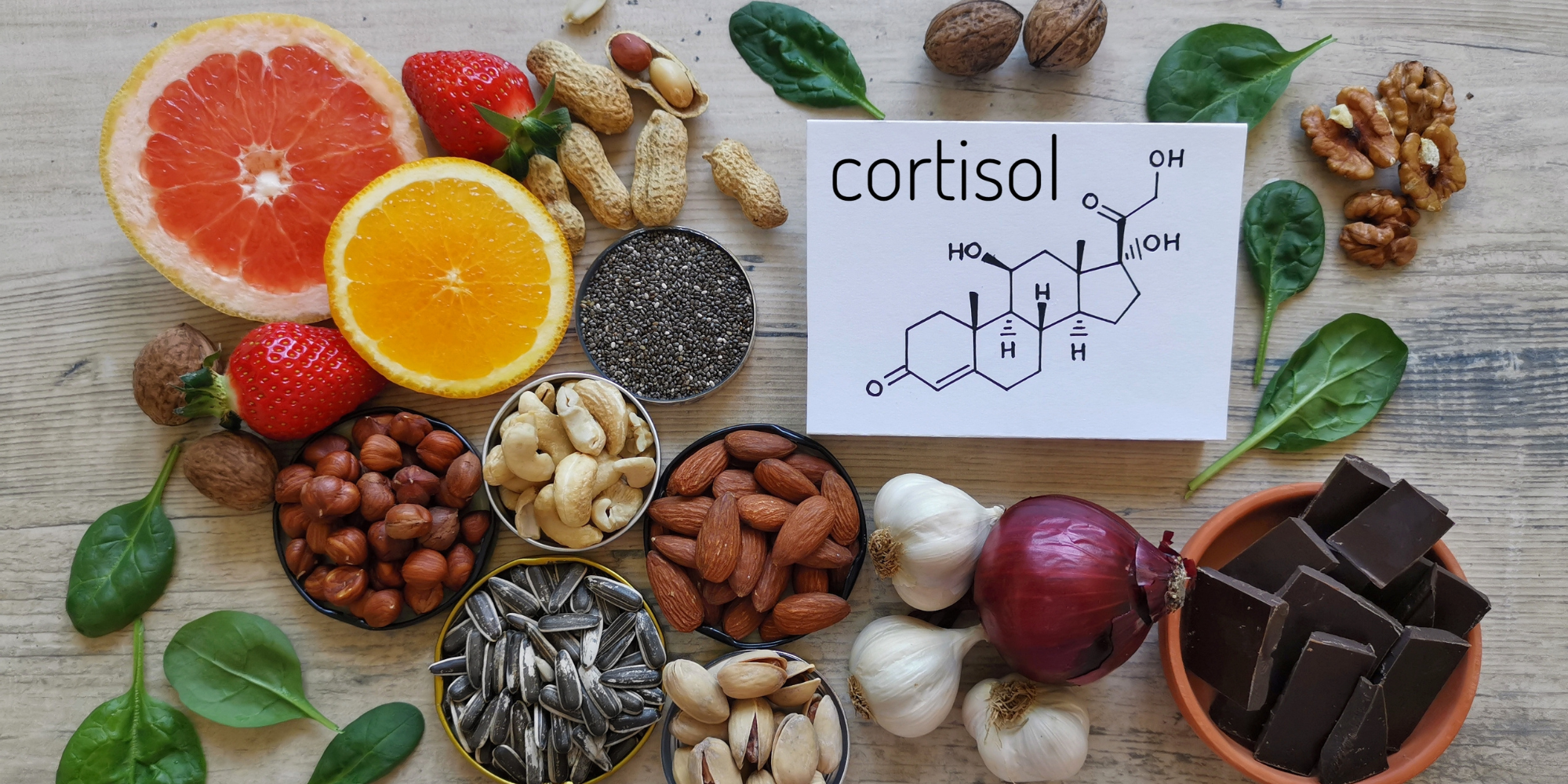
Stress levels can be the reason for weight gain because stress produces cortisol; too much cortisol can lead to weight gain due to an increase in appetite.
Overindulgence can lead to excessive weight gain. Some people drink more alcohol or partake in recreational drugs as they get older, both of which add extra calories and increase the appetite, triggering food cravings, otherwise known as getting ‘the munchies’.
Leptin resistance causes increased fat mass.
We can and should make healthy lifestyle choices as we age, and a lot of us do, but at the end of the day, sometimes, we still feel hungry.
What can you do to curb hunger? One way is to create better leptin sensitivity because leptin resistance causes increased fat mass.
What is leptin?
Leptin is a crucial hormone produced mainly by white adipose fat cells that tells your brain when you’ve had enough to eat, helping to regulate your appetite, energy balance and body weight – the hormone cranks up the metabolism.
Leptin resistance causes you to feel hungry.
Leptin resistance is a common feature of ageing, which causes you to feel hungry, and you tend to eat more even though your body has enough fat stores.
Dr Ana Revuelta is a specialist in bioregulatory medicine, nutrition, dietetics and dermosmetics. She explained that leptin’s primary function is to signal to the brain, specifically the hypothalamus, that the body has sufficient energy stored as fat. Simply put, “We have enough fuel; you don’t need to be hungry.” She notes that many cases of obesity are driven by leptin resistance.
She adds, “This means the brain stops responding properly to that ‘stop’ signal.” Consequently, the appetite stays high and losing weight becomes increasingly difficult.
Other things that cause leptin resistance.
Leptin resistance can also be caused by dehydration, excessive carbohydrate intake, emotional depression and stress. As we age, we build more leptin resistance, but weight training helps with leptin sensitivity.
By building lean muscle mass and reducing excess body fat, the body becomes much more receptive to leptin’s signals – resulting in the feeling of being fuller.
There are other ways you can tackle midlife weight gain and leptin resistance, including:
- Drinking lots of water
- Reducing carbohydrate intake
- Practicing self-care and wellness using positive affirmations
- Trying different therapies to help maintain a positive mindset
- Addressing the stress in your life and create a coping strategy
- Avoiding food cues, don’t rush to the kitchen during the adverts on TV
- Eating a high-protein breakfast
- Trying not to snack after dinner
- Eating three meals a day composed of the correct protein-carbs-fat ratio
- Practicing portion control
- Finding an alternative to snacking
- Remembering, it’s ok not to feel full
- Avoiding lots of processed foods
- Eating foods rich in fibre
- Avoiding sugary desserts
- Exercising
When trying to manage your weight as you age, consistency is key. We’ve spoken about the benefits of resistance and weight training, but how often should you train every week? No one size fits all when it comes to exercise programs; the frequency and intensity depend on what the end goal is.
‘Men’s Health’ director Ebenezer Samuel recommends that for general health, someone should work out three times a week. For weight loss, you should be as active as you can but still include a rest day.
Ebenezer explains, “The key when you are trying to lose weight is getting consistent activity periods.”
It’s not about always doing hard workouts; lighter activities like walking are excellent for you, physically and mentally. You don’t have to exercise every day, but you should be active every day.
If you are starting to gain weight during your midlife years and a new eating regime and lifestyle change isn’t working, it’s time to look at our list of recommendations and lift those weights to build leptin sensitivity.
To improve physical energy we recommend our supplement EnergyPro.
References
https://www.uclahealth.org/news/article/midlife-weight-struggles-and-how-manage-them
https://my.clevelandclinic.org/health/body/22446-leptin
https://www.menshealth.com/fitness/a44929530/how-many-days-a-week-work-out/
https://www.emetabolic.com/blog/weight-loss/leptin-and-ghrelin/




Download the latest FREE AGING MATTERS MAGAZINE
V3 issue 42 2023

- Advertisement -