Sarcopenia and reversing muscle ageing
November 7th, 2025Sarcopenia is a common musculoskeletal disease that affects muscle mass, strength, and performance. Associated with ageing, it impedes everyday life, with a high risk of falls and fractures. New research has revealed that a common naturally occurring signalling molecule found in the body, called prostaglandin, can reverse muscle ageing.
A single dose of treatment could be enough to restore muscle function.
A recent study has revealed that one dose of the molecule prostaglandin could be enough to restore muscle function. Researchers from Stanford Medicine in the USA have been looking for molecules linked to age-related muscle weakness and discovered how young muscle stem cells nestled in muscle fibres differ from old muscle cells. By comparing the two types, they identified how they could reverse the aged cells to young ones to restore muscle function.
The study, published in the Cell Stem Cell journal, revealed that in preclinical experiments, mice treated with the molecule prostaglandin E2 (PGE2) via injection showed improved regeneration and strength in aged muscle. The PGE2 and exercise helped to erase age-induced biochemical tags on DNA. However, these findings have not yet been confirmed as something that can definitely be used on humans, but it’s looking promising.
Expert opinions provide further insight into these findings.
The study author, Dr Yu Xin Wang, said, “PGE2 is an alarm clock to wake up the stem cells and repair the damage. Ageing essentially reduces the volume of the alarm, and the stem cells have also put on earplugs.”
He was amazed by the findings: “What amazes me most is that a single dose of treatment is sufficient to restore muscle stem cell function, and that the benefits last far beyond the duration of the drug.”
Dr Wang concluded, “In addition to making new muscle, the stem cells stay in the tissue, where they sustain the effect of the PGE2 and instill the muscle with further capacity to regenerate.”
Associated with the study, Helen Blau, a PhD professor of microbiology and immunology and director of the Baxter Laboratory for stem cell biology, explained that a single injection of PGE2 into an injured muscle causes an increase in muscle mass and strength two weeks later. The procedure creates a heritable memory, so if the muscle is injured again, the stem cells remain rejuvenated and meet the need for regeneration.
The study results prove that the PGE2 injection would be an ideal treatment for Sarcopenia. Human trials and further research are needed. Read the study here.
It is important to recognise the symptoms of Sarcopenia.
Muscle mass starts to decline in your 30s to 40s. On average, a person loses 8% muscle mass each decade. People in their 60s are more likely to develop the disease. Those at high risk are the elderly, physically inactive people, people with high body mass index, and hormones can also play a role in the disease.
The most common symptoms are experiencing less stamina, difficulty in performing some everyday tasks, walking more slowly, having trouble with climbing the stairs, and balance issues. Sarcopenia increases the risk of falling over and fractured bones.
How is Sarcopenia diagnosed?
If you have noticed an unusual decline in muscular strength, you should visit your healthcare provider. A doctor will ask some relevant questions and do some assessments. There will also be an evaluation of your muscle strength, mass, and physical performance. Screening would include a questionnaire called a SARC-f; it is a five-item questionnaire about Strength, Assistance, Risk, Climbing – Falls.
Questions should include: Do you need assisted walking? Can you rise from a chair? Can you climb the stairs, and are you prone to falling? Your hand grip and leg strength would also be tested. A score of 4 or over indicates a risk of the disease.
You will also have a DXA, a dual-energy x-ray absorptiometry. An imaging test to measure body composition. Also, a BIA, a bioelectrical impedance analysis, where a safe electrical current is sent through the body to measure the resistance it encounters.
What can you do to help reverse muscle ageing?
To reverse muscle ageing, consistent lifestyle changes will be needed. Those changes should include combining crucial resistance training, using equipment or body weight, and a progressive training program. Other physical requirements include aerobic activities and balance training. For example, walking, swimming, jogging, pilates, yoga, or tai chi. The strength training (resistance training) needs to be done 2-3 times a week.
Find out more about strength training here.
Try aerobic exercise by following these videos.
Here are some examples of exercises you can do to improve your balance.
Proteins support muscle cell structure; eating a high-protein diet as part of your lifestyle change can help reverse muscle ageing.
Foods high in protein are:
- Eggs
- Almonds
- Chicken breasts
- Cottage cheese
- Greek yoghurt
- Milk
- Lentils
- Lean beef
- Fish
- Quinoa
- Ezekiel bread
- Pumpkin seeds
- Turkey breast
- Shellfish
- Peanuts
- Peanut butter
- Protein powder
We recommend our product Natures Marvels® Muscle Bioregulator, it is a muscle peptide; that normalises the function of your muscles. It regulates the metabolic processes in muscles, improving physical efficiency and ability.
To help support muscle function, remember the saying, “Use it or lose it”, and act on it. Prioritise resistance training in your exercise regime as you age.
References
https://www.ncbi.nlm.nih.gov/books/NBK560813/
https://www.ncbi.nlm.nih.gov/books/NBK560813/


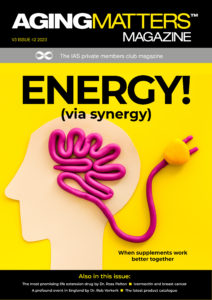
Download the latest FREE AGING MATTERS MAGAZINE
V3 issue 42 2023

- Advertisement -