Hidden blood molecules could be the future of skin rejuvenation
January 22nd, 2026The Journal of Natural Products published a study by the American Chemical Society and American Society of Pharmacognosy, revealing that they had discovered surprising hidden blood molecules with possible anti-ageing powers beneath the skin.
Blood bacterium with anti-ageing powers beneath the skin.
Little is known about bacterial byproducts in the body (metabolites). We already know that they get released into the bloodstream and impact our health. New research has found that they could be part of future anti-ageing treatments.
Scientists involved in the study were interested in a type of metabolite called ‘Indole compounds’ because they contain anti-ageing, anti-inflammatory and antimicrobial properties.
In 2015, a blood bacterium containing indole compounds was discovered and named Paracoccus sanguinis.
The study was led by Chung Sub Kim, who explained, “We became interested in Paracoccus sanguinis because blood-derived microbes are a relatively uncharted area of research,” and added, “Given the unique environment of the bloodstream, we believed that studying individual species like Paracoccus sanguinis could reveal previously unknown metabolic function relevant to health and disease.”
Chung’s team employed a combination of analytical methods, including spectrometry, isotope labelling, and computational analysis, and they elucidated the chemical structures of 12 individual metabolites, six of which had never been identified before.
They needed to find out if those were harmful, associated with ageing skin. So they applied liquid solutions containing indole compounds to human skin cells.
The results were promising; there was a reaction that reduced inflammation proteins and collagen-damaging proteins.
Have they found a way to protect and preserve ageing skin? Time and more research will tell. Find out more about the study here.
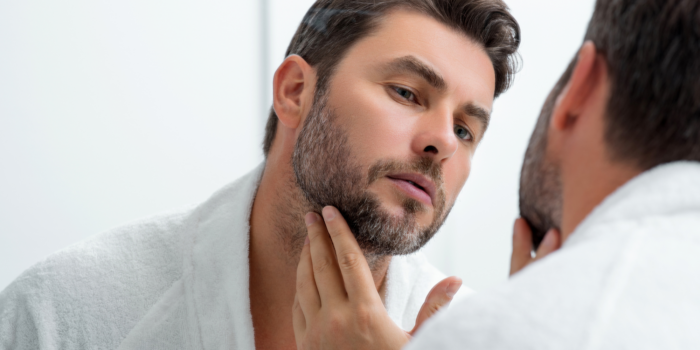
Protecting and preserving ageing skin can be an expensive, time-consuming mission.
For those who want to maintain youthful-looking skin, it can be an expensive and time-consuming endeavour.
To be most effective, an anti-ageing regime takes commitment and a disciplined daily skincare routine including a cleanse, tone, moisturise, sun protection, retinol and collagen products with a boost of Vitamin A and C.
Some people take their anti-ageing treatments a step further with options such as chemical peels, microneedling, dermaplaning and Botox/fillers. With more advanced options for laser skin resurfacing, dermabrasion or Ultherapy, a cosmetic treatment to stimulate collagen.
For some, treatments become an addictive, expensive and regular thing, but if it makes them feel and look good, then why not?
Aside from what is being discovered in a science lab, there are other skincare developments, and the latest focus is on:
- Hyper-personalisation. It’s an AI-driven analysis process. Using apps and devices in real-time, analysing skin and customising regimes
- Barrier repair. To fortify the skin’s natural defences with niacinamide, ceramides, prebiotics and postbiotics
- Targeted treatments for cellular health, using at-home devices such as LED masks
- Advanced ingredients. Using exosomes for growth and repair, and biommimetics such as PDRN (polydeoxyribonucleotide) from salmon
- Internal/external synergy – inside/outside skin cell renewal through food and supplements.
How to look after your skin season to season.
In the spring months.
The weather starts to warm up in the spring months, and we go outside more, enjoying walks and being enthusiastic for outdoor activities. The skin is recovering from the harsh temperatures of winter, so it’s time to review your skin type. Potentially moving to the use of a lighter cream rather than the barrier-creating, thicker creams needed for your skin in the lower temperatures. Always incorporate sunscreen in your skincare routine, whether it’s in your daily moisturiser cream or in a separate product.
In the summer months.
These are the months when SPF is most essential, applying multiple times a day if you are outside a lot. No matter your skin type, whether it tans easily without going red or if you have a reaction to different creams, prioritise finding a cream that suits your skin there are lots of options on the market. SPF clothing is an option for extra protection and ideal if you are in the sun for a long period of time. Skin cancer grows over time, and sunburn should be avoided. Don’t sunbathe in the midday sun and if you are outside on a summer holiday, for example, sit in the shade regularly.
In the autumn months.
This is a time to give your skin time to recover after summer, when you have exposed your skin to sun, chlorine and salt water. It’s important to exfoliate your skin, and moisturise your skin straight after a bath or shower. Prepare your face and lips for the harsh winter months by using a lip balm and a thicker skin cream, creating a stronger barrier for the skin.
In the winter months.
Coldness brings a lack of moisture in the air, and long exposure to the elements of winter can cause the skin to crack, chap, and be irritated. It’s important to still use sunscreen and apply lip balm.
And so the seasonal skincare cycle begins again…
References
https://www.asds.net/skin-experts/skin-care/skin-care-for-every-season



Download the latest FREE AGING MATTERS MAGAZINE
V3 issue 42 2023

- Advertisement -